
AbleArcade - An Inclusive Gaming Marketplace
The mobile app and website that connects gamers with the accessible equipment they need to play.
Key Features Include:
Mobile Application - Splash Screen, Home, Product Page, and Checkout.
Website - Home, Product Page, and Checkout.

Project Overview
The Product
AbleArcade is an e-commerce platform dedicated to accessible gaming. We source and sell adaptive gaming equipment designed for players with disabilities—because everyone deserves a seat at the table. From custom controllers to assistive tech, AbleArcade makes it easy to find the tools you need to play your way.
My Role
UX Designer and Researcher
Project Duration
1 Month
Responsibilities
-
UX Research
-
Wireframing
-
Prototyping
User Research: Summary

-
I conducted user interviews with gamers as well as online surveys to better understand the process of obtaining and using the adaptive gaming equipment. I also completed competitive analysis on current websites that offer these products.
User Research: Pain Points
Scattered Product Availability
Gamers must hunt across multiple niche or outdated websites to find adaptive gear, wasting time and creating frustration.
Lack of Trustworthy Retailers
Many accessible gaming products are sold through unverified or poorly designed sites, leading to uncertainty about product quality, shipping reliability, and return policies.
Insufficient Product Information
Users often struggle to find detailed specs, compatibility data, and real-use examples.
Poor Site Accesibility
Many online stores selling adaptive gear fail to meet accessibility standards themselves.
Persona - Ethan

User Journey Map
I identified these design goals based on Ethan's journey to find accessible gaming gear.

Paper Wireframes
- Mobile
My goal for the sketches was to do different iterations of the pages and then choose the features I liked from each one to combine into a final page.

Digital Wireframes
- Mobile

When putting together the digital wireframes my goal was to have clean and sleek designs that were easy for everyone to navigate.

Usability Study - Findings
Usability testing with target users revealed key barriers in navigation, product clarity, and on-site accessibility that impact the overall shopping experience.
Navigation Confusion
-
Participants had difficulty locating specific product categories, with many suggesting clearer menu labels and filters for adaptive gear types.
Insufficient Product Details
-
Users wanted more in-depth specs, compatibility information, and real-use demonstration videos before feeling confident to purchase.
Mockups
- Mobile


The Website Version:
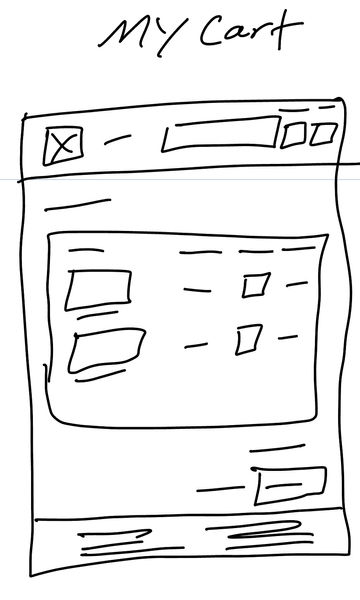
Paper Wireframes
- Website
Transferring the designs to a larger screen size, I wanted to make sure that there was still a cohesive and easy to navigate experience for users.


Digital Wireframes
- Website
Transferring the designs to a larger screen size, I wanted to focus on offering more information but still making it easy to navigate.

Mockups
- Website


Takeaways
Impact
Working on this project opened my eyes to how many barriers gamers with disabilities still face.
What I Learned
I learned how important it is to talk to real users, dig into their pain points, and design with accessibility in mind from the very start—not as an afterthought.
Next Steps
-
Conduct usability sessions with a broader range of gamers with varying disabilities to validate design decisions and uncover new needs.
-
Perform a thorough compliance check on the prototype to ensure all visual, navigational, and interactive elements meet accessibility standards before moving into development.
-
Begin connecting with adaptive hardware manufacturers and accessibility advocacy groups to source products and build credibility.